Optimal Timing for Land Clearing
Land clearing involves removing trees, brush, and debris to prepare a site for development or agriculture. Timing is crucial to ensure efficient work and optimal results. The best time for land clearings depends on climate, soil conditions, and project goals.
Spring offers moderate weather and longer daylight hours, making it suitable for land clearing projects before the summer heat. It allows for proper soil preparation for planting or construction.
Fall provides cooler temperatures and less rainfall, which can reduce delays. Clearing in fall can also prepare the land for winter and early spring activities.
Summer may pose challenges such as heat and drought conditions, which can affect equipment operation and soil stability. It is generally less ideal but feasible with proper planning.
Winter is typically less suitable due to frozen ground and adverse weather, which can hinder equipment and increase safety risks. However, in milder climates, it may be possible.
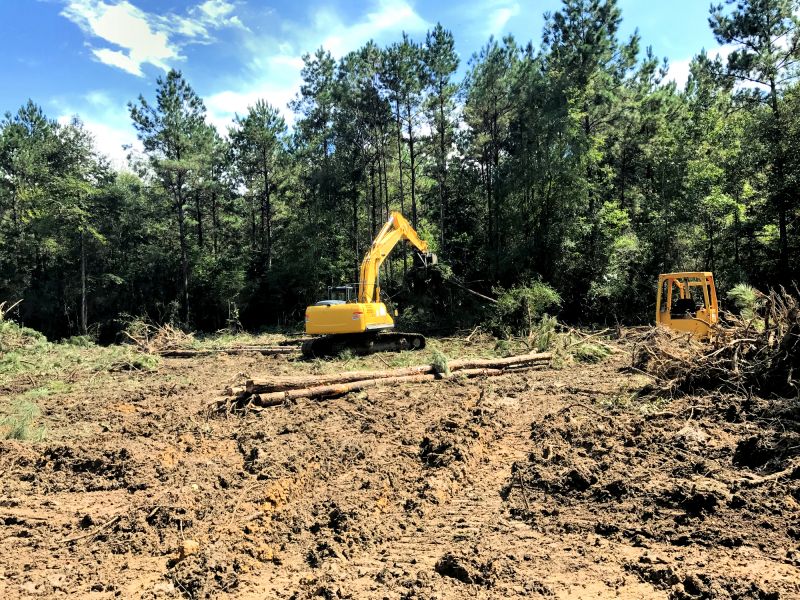
Heavy machinery used in land clearing includes bulldozers, excavators, and mulchers, which are most effective during suitable weather conditions.
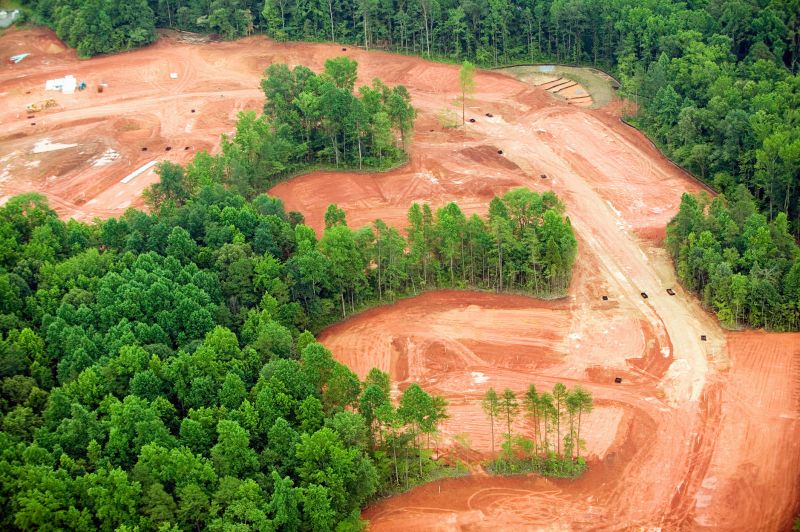
Springtime land clearing prepares sites for planting and construction, taking advantage of moderate temperatures.
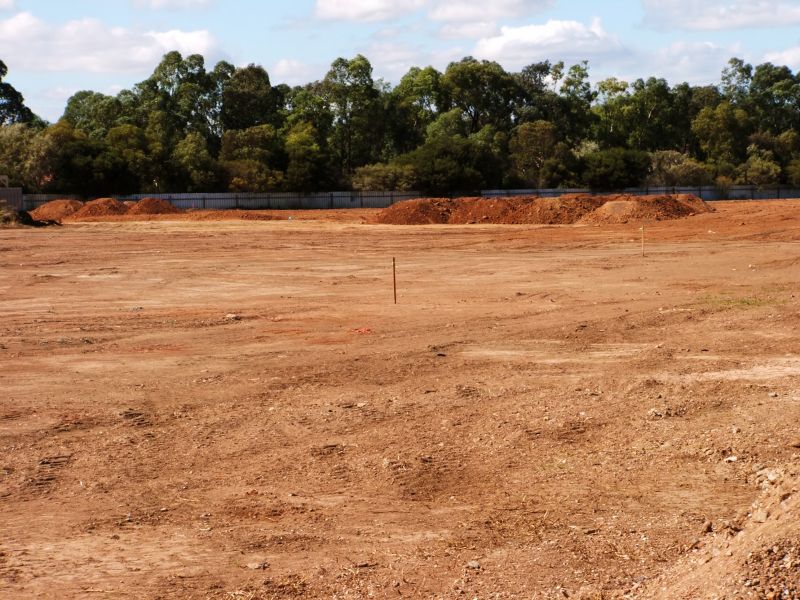
Clearing in fall allows for site stabilization before winter, reducing erosion and preparing for spring activities.
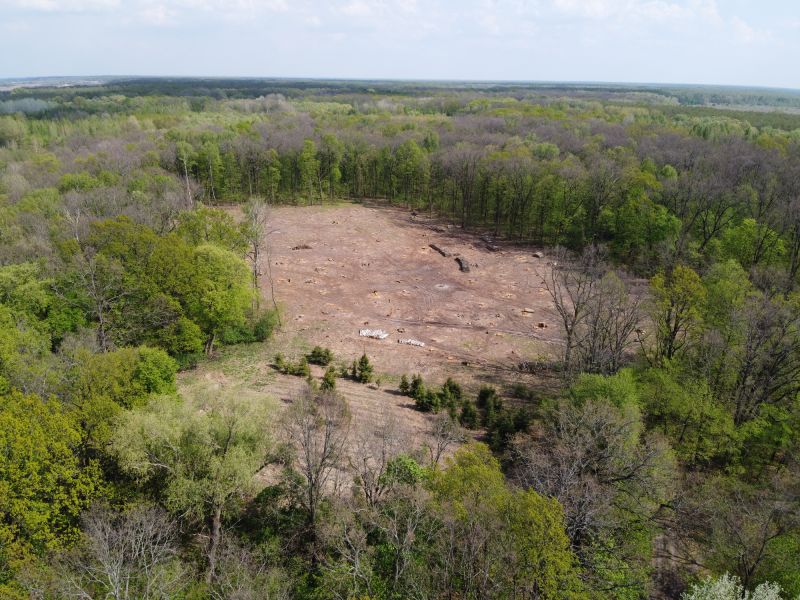
Ways to make Land Clearings work in tight or awkward layouts.
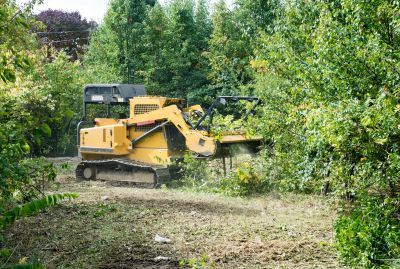
Popular materials for Land Clearings and why they hold up over time.
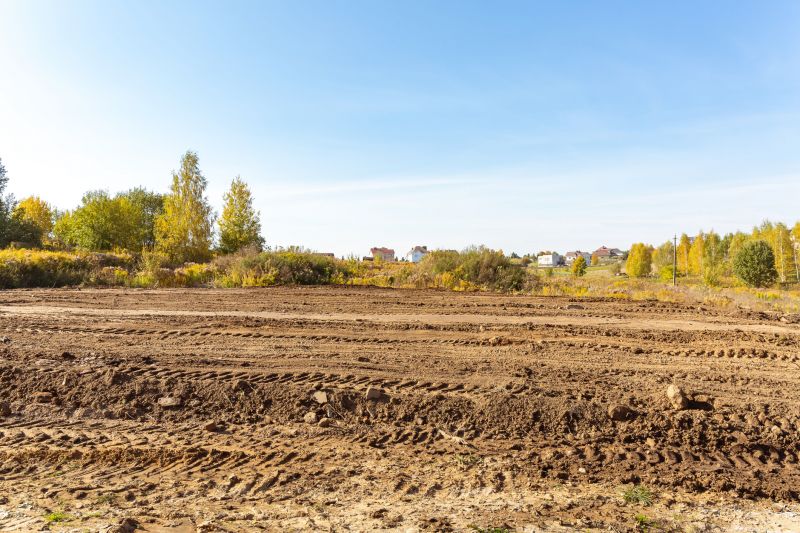
Simple add-ons that improve Land Clearings without blowing the budget.
| Season | Best Practices |
|---|---|
| Spring | Ideal for preparing land for planting and construction projects. |
| Summer | Use caution due to heat; plan for early morning or late afternoon work. |
| Fall | Suitable for site stabilization and preparation for winter. |
| Winter | Limited in colder climates; possible in milder regions with proper equipment. |
Understanding the optimal timing for land clearings can lead to more efficient project execution and better land management. Proper planning considers weather patterns, soil conditions, and project timelines to minimize delays and costs.
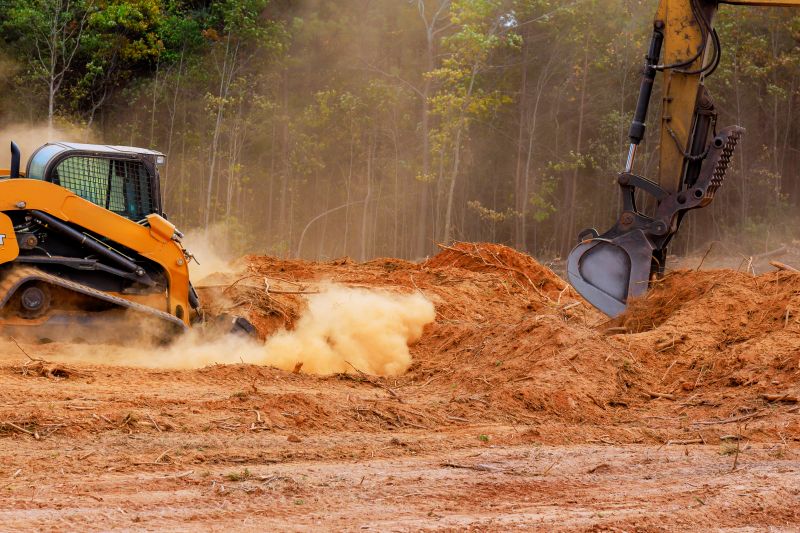
Various machines are used depending on the scope, including bulldozers, excavators, and mulchers.
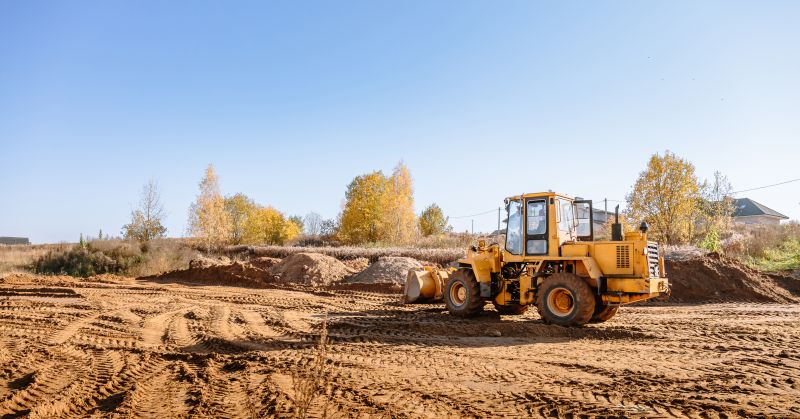
Spring is a popular time for clearing to enable early planting and construction.
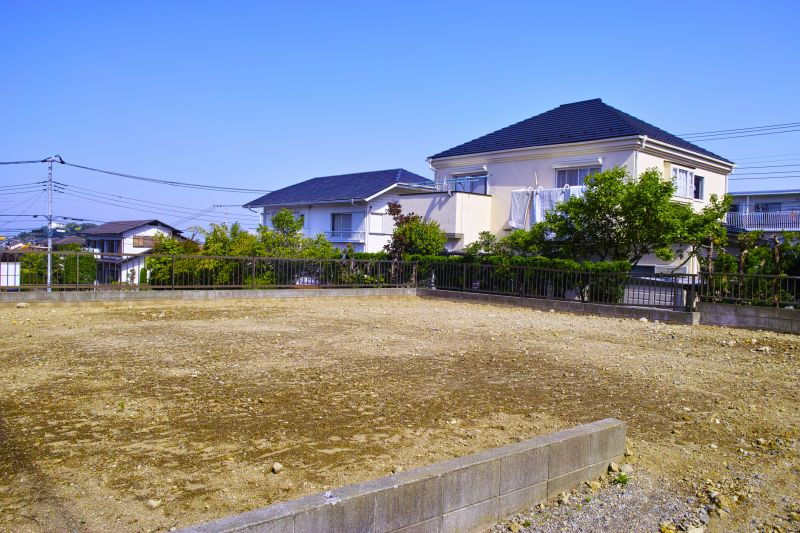
Clearing in fall prepares the land for winter and early spring use.
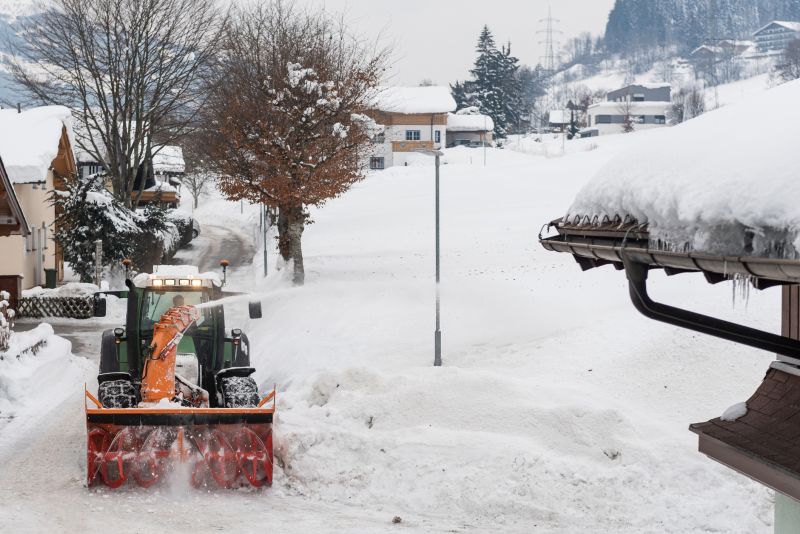
Frozen ground and weather conditions can limit options in colder months.
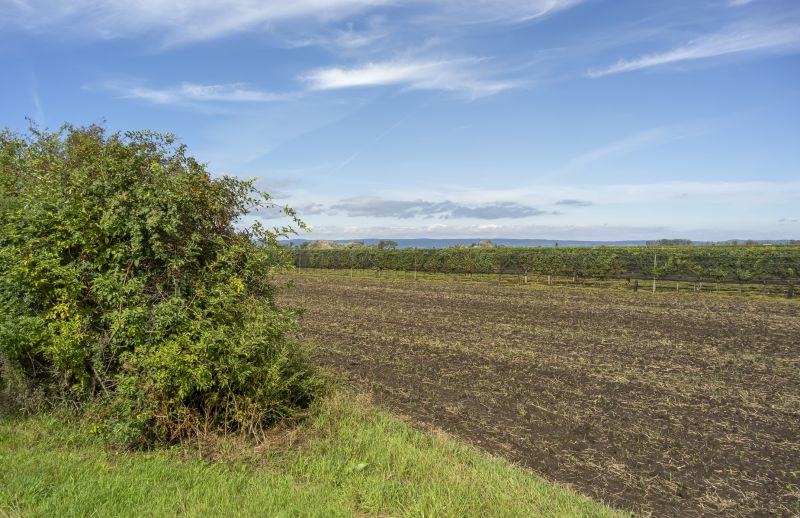
High-end options that actually feel worth it for Land Clearings.

Finishes and colors that play nicely with Land Clearings.
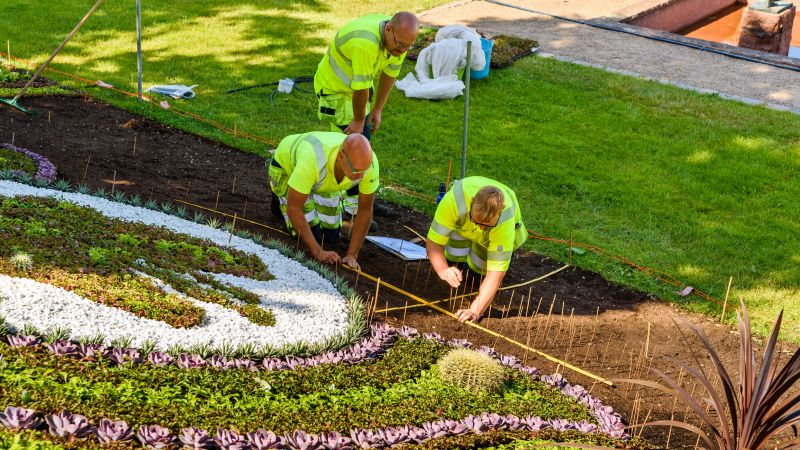
Little measurements that prevent headaches on Land Clearings day.
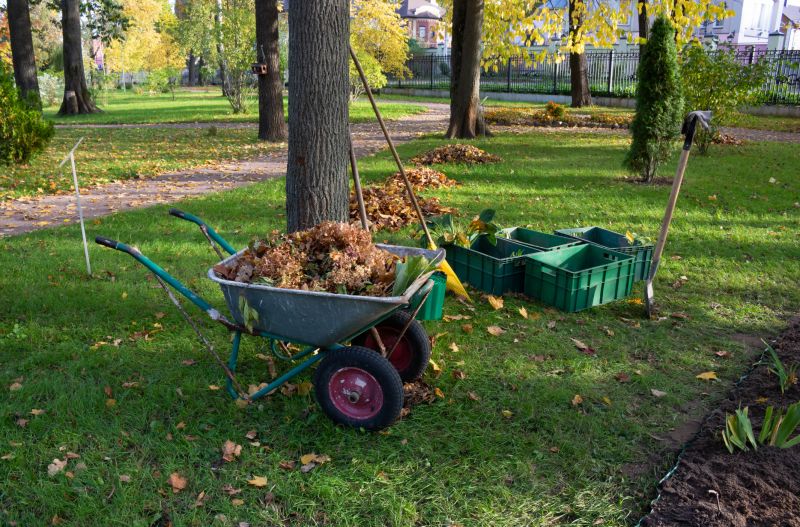
A 60-second routine that keeps Land Clearings looking new.
Individuals interested in land clearing services are encouraged to contact for detailed information and scheduling. Proper timing can significantly impact the success and efficiency of the project.